

Crownmate Guide
Red Light Therapy Helmet for Hair Growth: How It Works and What Research Shows
Low-level light therapy is one of the more researched non-surgical, drug-free options for pattern hair loss. Clinical trials and reviews report improvements in hair counts with regular use. Here is what the research says, how 650nm red light is studied, and what to look for in a home-use helmet.

What the research shows
Research on low-level laser and LED therapy has moved beyond isolated laboratory observations. Controlled human trials have reported higher hair counts in treated groups than in sham or placebo groups, and systematic reviews have assessed results across multiple studies.
A controlled helmet trial (2013)
A double-blind, randomized, placebo-controlled study enrolled 44 men with pattern hair loss. Participants used a helmet combining 655nm laser and LED sources over 16 weeks. Hair counts increased significantly more in the active-treatment group than in the placebo group.
A 650nm human-follicle study (2021)
Laboratory research on human hair follicles found that exposure to 650nm red light influenced growth-related activity and delayed the transition from the growth phase toward the regression phase. This helps explain a possible biological pathway; it was not a treatment trial in people.
A systematic review and meta-analysis (2025)
A review in Dermatologic Surgery assessed 38 studies involving 3,098 patients and concluded that low-level laser and LED therapy is a promising option for androgenetic alopecia. The studies used different devices and protocols, so the results should be understood as evidence for the treatment approach, not a guarantee for every device or user.
Taken together, the evidence supports low-level light therapy as a credible option worth considering for pattern hair loss. The most relevant human evidence comes from controlled trials; laboratory studies add context about how red light may interact with follicles.
Explore the published research
Explore a controlled helmet trial, a 650nm human-follicle study, and a sham-controlled 650nm laser-cap trial in women.
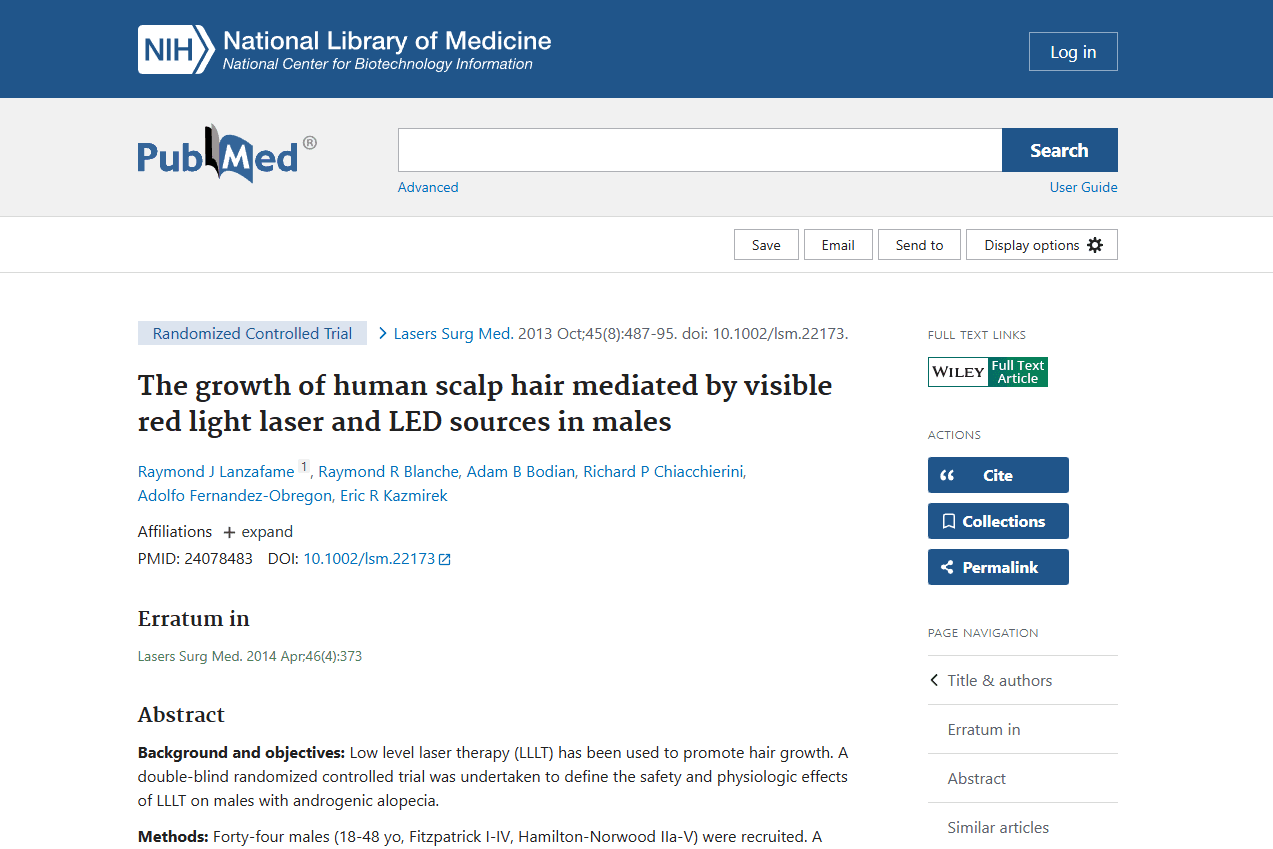
The growth of human scalp hair mediated by visible red light laser and LED sources in males
A double-blind, randomized, placebo-controlled trial in 44 men used a helmet device combining 655nm lasers and LEDs, worn at home every other day for 16 weeks. Hair counts in the treated group were significantly higher than the placebo group at the end of the study, supporting red/near-red light as a driver of scalp hair regrowth.
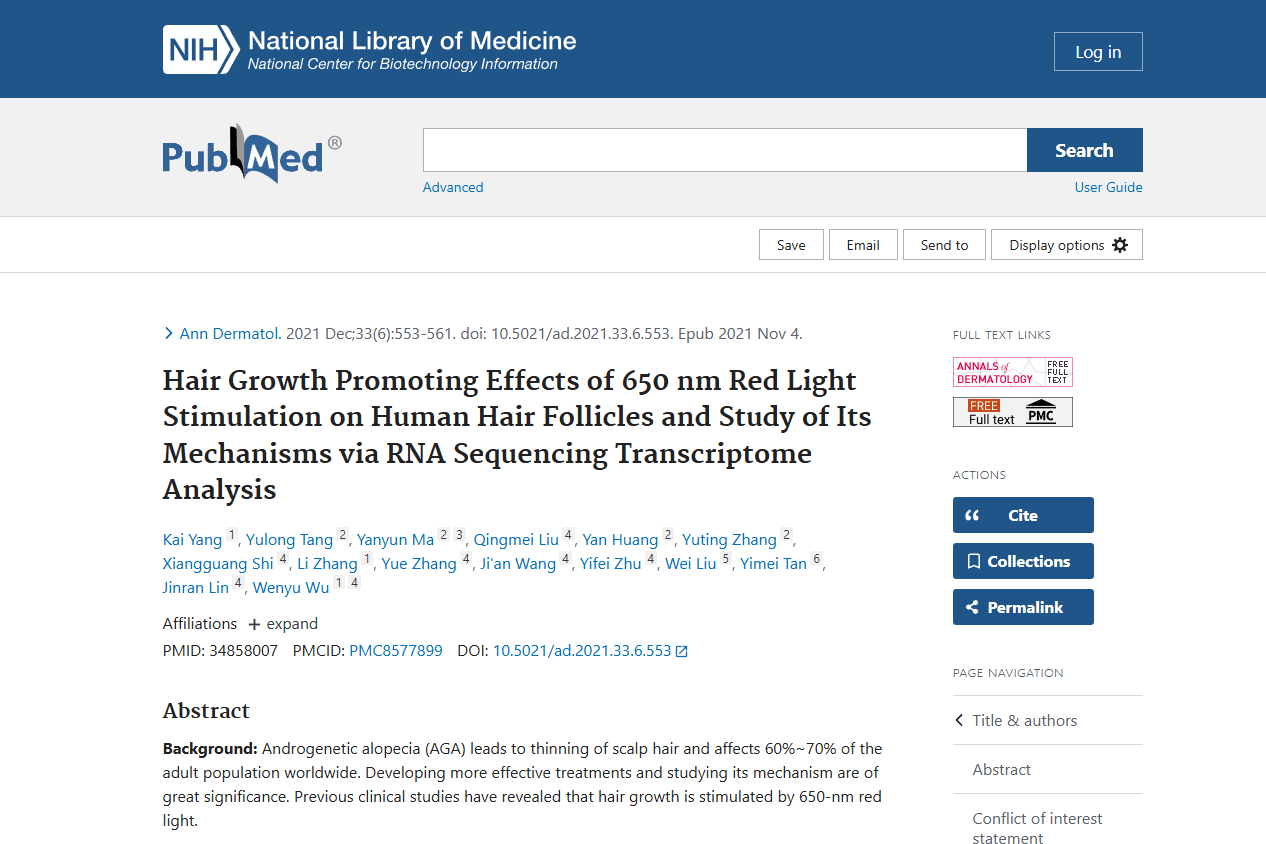
Hair growth promoting effects of 650nm red light stimulation on human hair follicles
Lab research on human hair follicles taken from transplant patients found that exposing them to 650nm red light — the same wavelength used in the Crownmate RedLight Helmet — activated growth-related genetic pathways in the follicle, offering a mechanistic explanation for why 650nm light promotes regrowth.
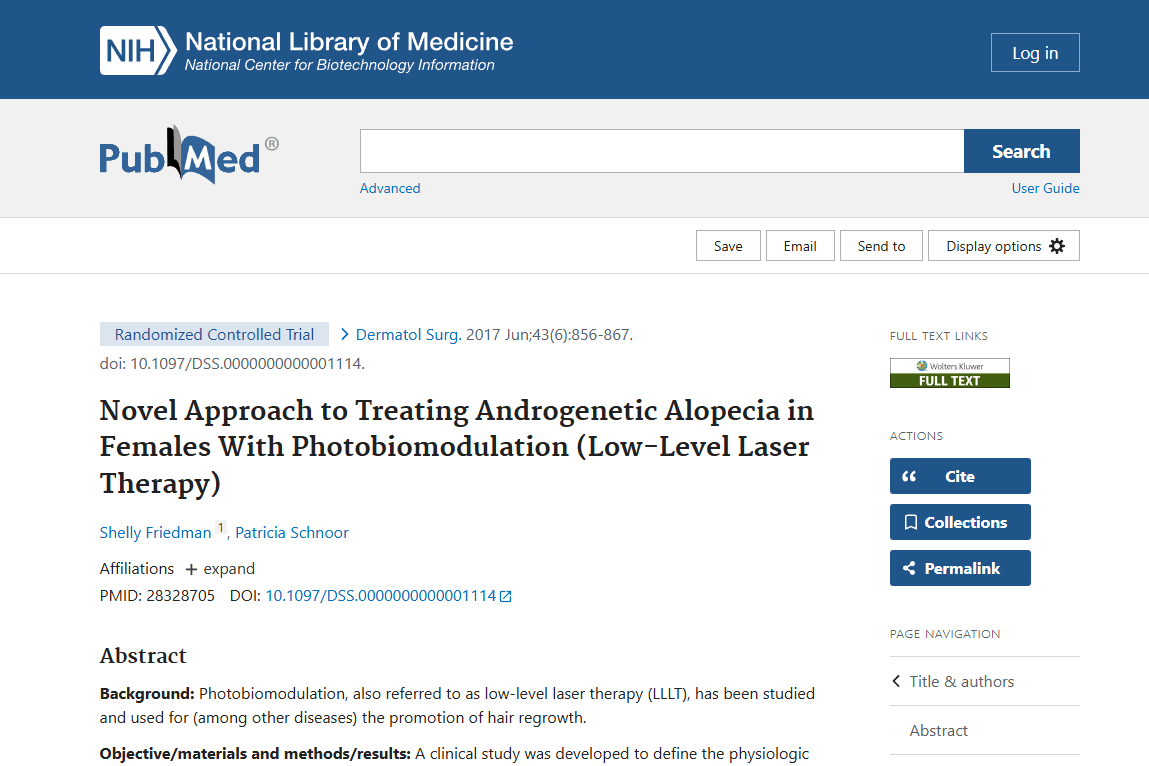
Novel approach to treating androgenetic alopecia in females with photobiomodulation (low-level laser therapy)
A multicenter, randomized, sham-controlled trial tested a 650nm laser-diode cap device — the same wavelength and cap-style design as the Crownmate RedLight Helmet — on women with androgenetic alopecia, using it every other day for 17 weeks. Women in the treatment group saw a 51% greater increase in hair counts compared with the sham-treated control group, supporting 650nm LLLT specifically for female pattern hair loss.
How red light therapy works
Low-level light therapy (LLLT), also called photobiomodulation, delivers low-intensity red or near-infrared light to tissue. Researchers are studying how cells absorb this light and how the resulting signals may influence energy use, cell activity and the environment around hair follicles.
Where mitochondria come in
Mitochondria help cells produce usable energy. One leading explanation for photobiomodulation is that light interacts with molecules in the mitochondrial respiratory chain, including cytochrome c oxidase. This may influence ATP production and cell-signalling pathways involved in cellular activity. It is an active area of research rather than a complete explanation of every effect.
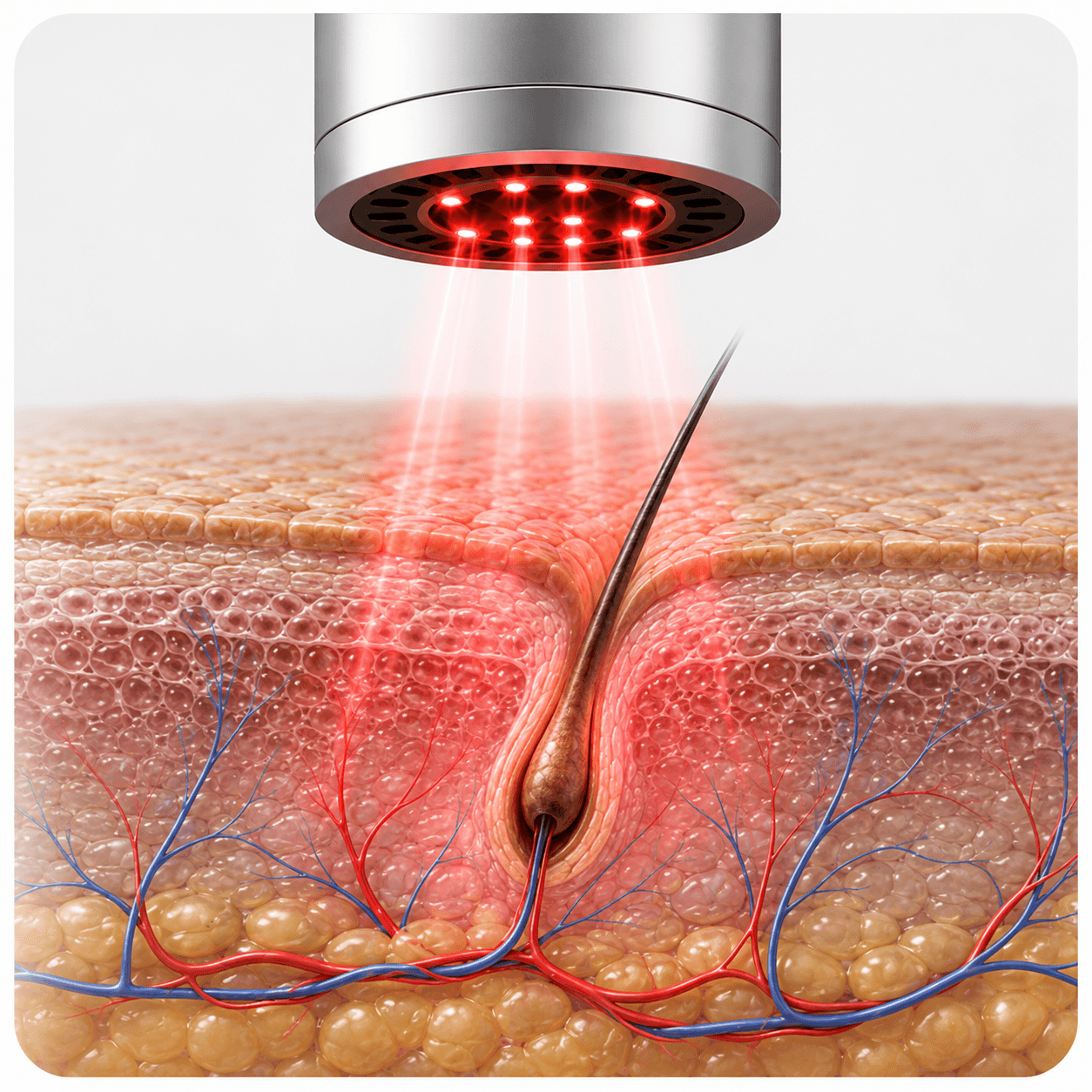
Penetration
Red light reaches the upper layers of scalp tissue.
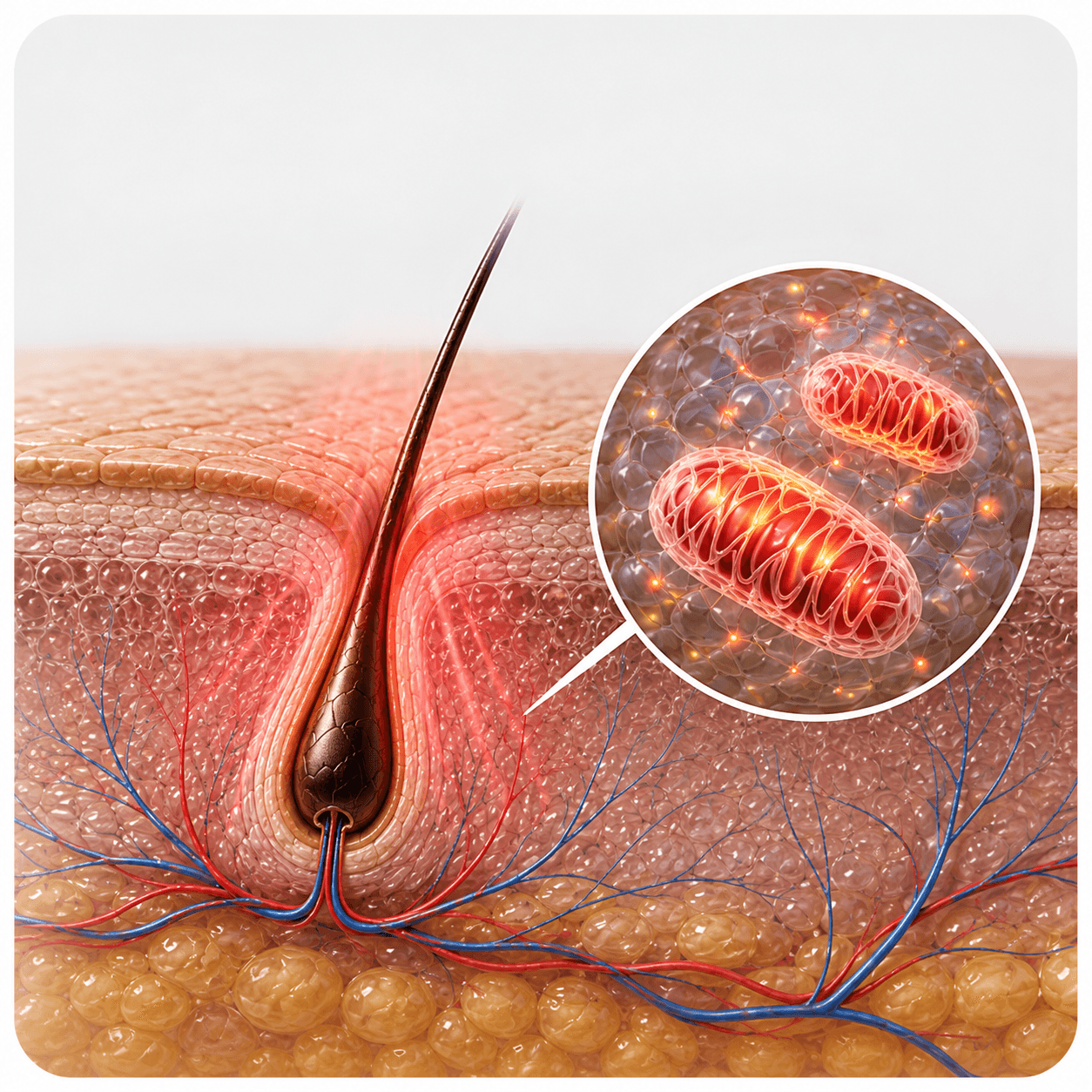
Absorption
Light-sensitive molecules in cells absorb some of the light.
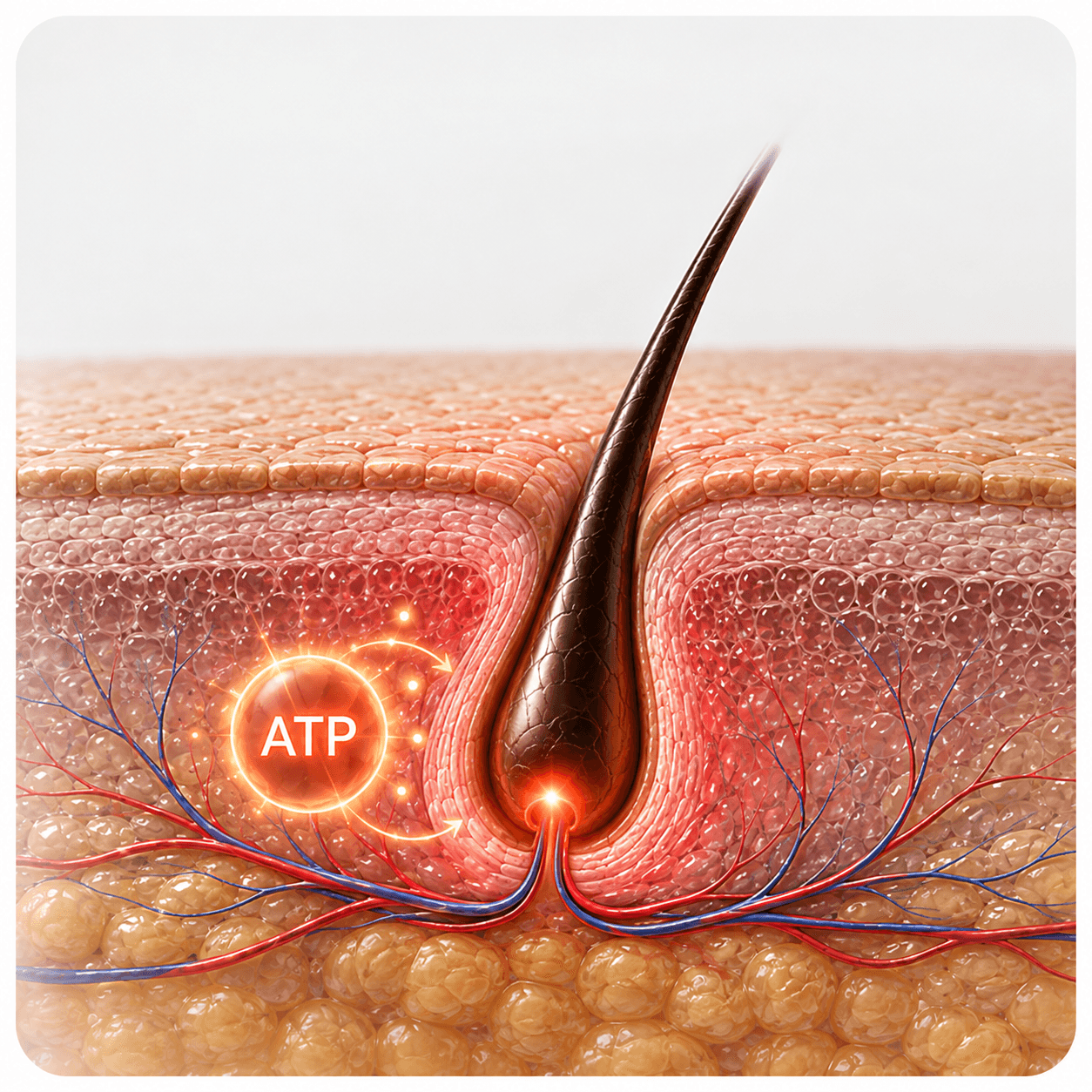
Cellular response
Light exposure can influence cellular energy and signalling pathways.
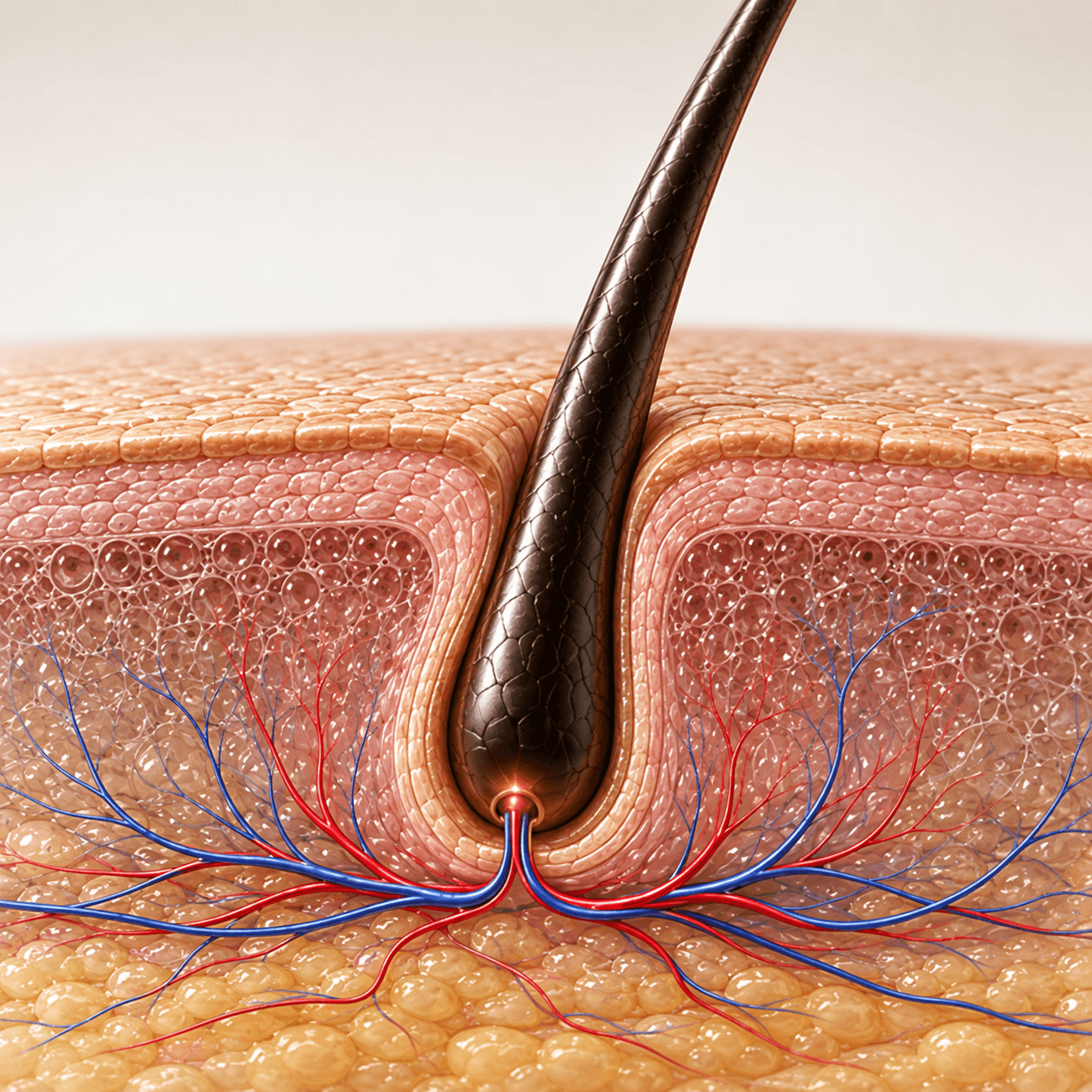
Follicle activity
Researchers are investigating how these signals affect hair-follicle activity.
Simplified illustration of the photobiomodulation process described in current research.
Laser diodes vs LED: why the light source matters
Laser diodes produce a concentrated, directional beam with a narrow wavelength range. LEDs produce less-directional light across a broader range of angles and generally a wider spectral band. Both technologies are used in photobiomodulation research, including hair-loss studies.
Laser diodes are a practical choice when a device is designed to deliver light from defined points across the scalp. They are also used in published hair-growth trials, including the 655nm helmet study described above. The Crownmate RedLight Helmet uses 40 laser diodes specified at 650nm.
A laser label alone does not establish a device's performance. Wavelength, measured optical output, beam spread, distance from the scalp, coverage and session duration all contribute to the light dose delivered. Diode count is one specification, not a substitute for output and dose measurements.

Why 650nm wavelength matters
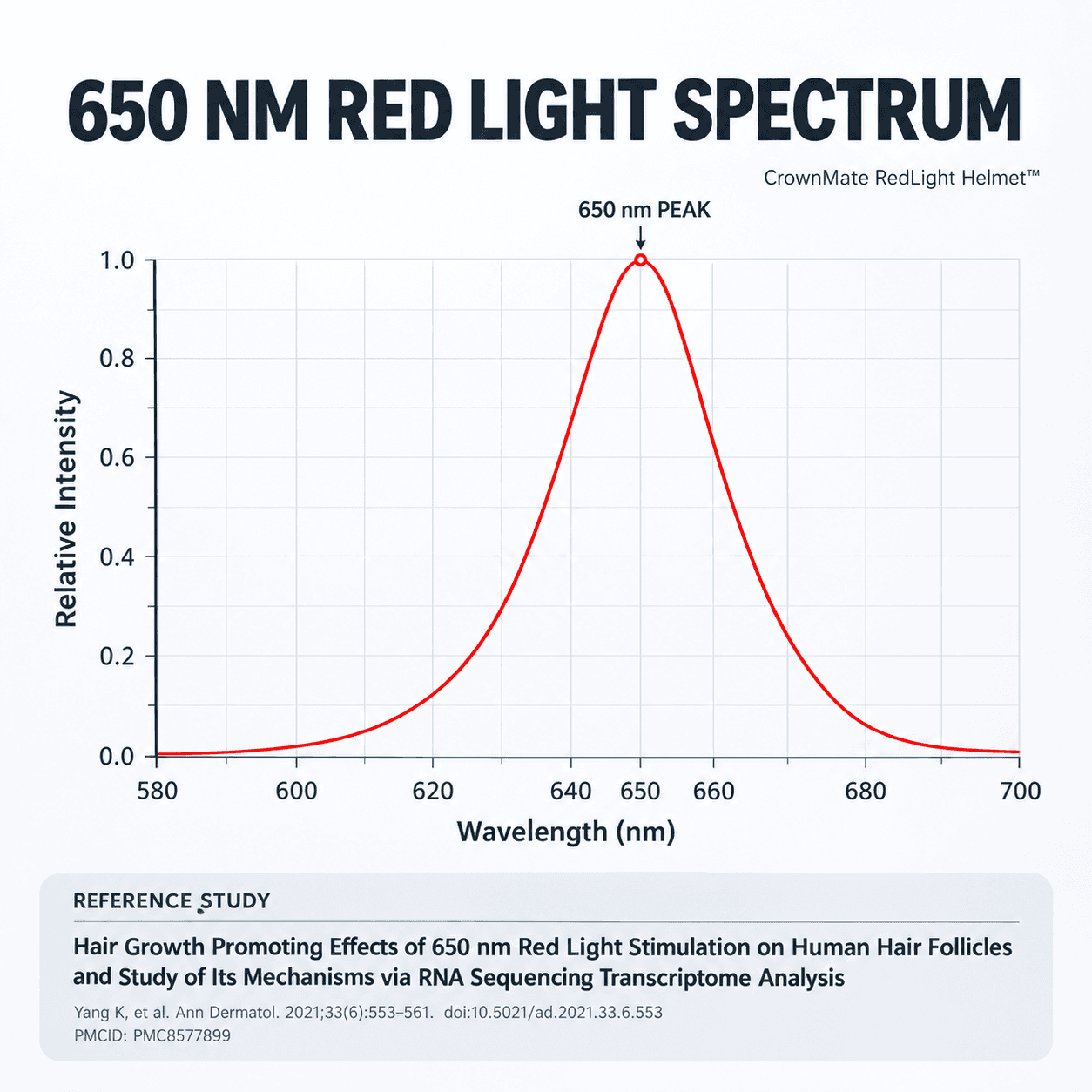
Wavelength describes the colour of light and is measured in nanometres (nm). Red wavelengths around 630–670nm appear in hair-growth photobiomodulation research. A controlled helmet trial used 655nm light, while laboratory research has examined 650nm exposure in human hair follicles. The Crownmate helmet is specified at 650nm.
Wavelength is an important part of the specification, but it works together with optical output, exposure time, distance and treatment frequency. A wavelength number on its own is not a complete measure of treatment dose.
What to look for in a red light therapy helmet
- Wavelength: Check the stated wavelength and whether it is supported by product documentation.
- Light source: Understand whether the device uses laser diodes, LEDs or a combination.
- Measured output: Look for irradiance or dose information, not only diode count or marketing comparisons.
- Coverage and fit: Consider how the device sits on the scalp and where its light sources are positioned.
- Usage instructions: Choose a device with clear session duration, frequency and safety guidance.
- Research transparency: Look for published studies and check whether they tested the same device or a different light-therapy system.
Using the Crownmate RedLight Helmet
- Light source: 40 laser diodes
- Wavelength: 650nm red light
- Routine: 20 minutes per session, 3 times per week
- Design: Hands-free and USB-powered for home use
Hair changes gradually, so build the routine into your week and assess progress over several months rather than after a few sessions. Clinical studies commonly measure outcomes over periods of around four months or longer. Taking a baseline photograph and repeating it monthly under similar lighting can make changes easier to compare. Follow the supplied user guide and do not exceed the recommended session time.
The Crownmate helmet brings 650nm laser-diode light therapy into a simple, hands-free home routine. Visit the product page for complete specifications and usage guidance.
Frequently asked questions
Who is red light therapy best suited to?
The strongest research is for pattern hair loss (androgenetic alopecia). Sudden, patchy or unexplained shedding can have other causes and should be assessed by a healthcare professional.
How long should I use red light therapy before assessing results?
Give a consistent routine several months. Many clinical studies assess outcomes after approximately 16 weeks or longer. Track progress with photographs taken under similar conditions.
Are laser diodes better than LEDs?
Laser diodes deliver a focused, directional beam with a narrow wavelength range. LEDs are also used in research. Compare the complete device, including wavelength, measured output, coverage and treatment dose.
How often should I use the Crownmate RedLight Helmet?
The product instructions specify 20 minutes per session, three times per week. Follow the supplied user guide.
Research and further reading
- Lanzafame et al. (2013): The growth of human scalp hair mediated by visible red light laser and LED sources in males
- Yang et al. (2021): Hair growth promoting effects of 650nm red light stimulation on human hair follicles
- Low-Level Laser and LED Therapy in Alopecia: A Systematic Review and Meta-Analysis (2025)
- Role of Low-Level Light Therapy (LLLT) in Androgenetic Alopecia
This guide is for general educational purposes and is not medical advice. Consult a qualified healthcare professional about hair loss, diagnosis and treatment options.
Ready to explore the device?
Review the specifications and usage guidance for the Crownmate RedLight Helmet.
Explore the RedLight Helmet